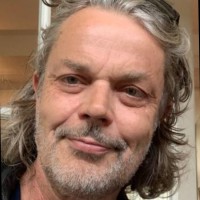
Jan Boiten (Groningen: 09-03-1963)
Studeerde aan de Academie voor beeldende kunsten Minerva, Groningen. Werkte als docent scenografie op de School voor Theater en Dans. (Amsterdam)
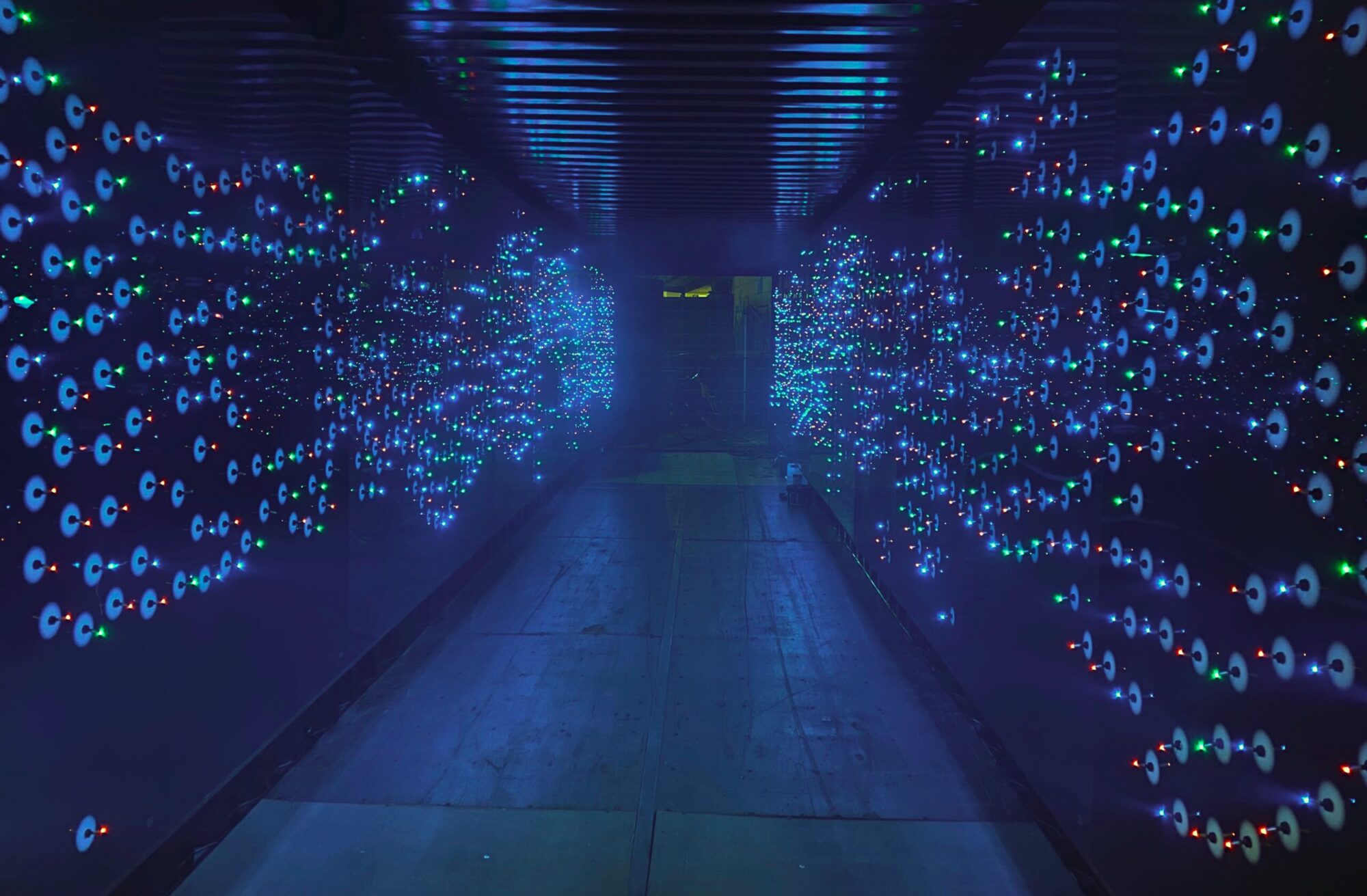
In de afgelopen vijfentwintig jaar heeft Jan Boiten talloze decors, video en lichtontwerpen ontworpen en gerealiseerd. Zijn werk als vormgever richt zich vooral op het ontwerpen van video en licht voor muziektheater, dans en opera producties. Daarnaast ontwerpt hij (licht) installaties voor festivals. Zijn werk is te zien geweest op vele podia en festivals wereldwijd, van Moskou tot New York.
Studied at the Minerva Academy of Visual Arts in Groningen. Worked as a scenography lecturer at the Academy of Theatre and Dance in Amsterdam.
Over the past twenty-five years, Jan Boiten has designed and realized numerous sets, video, and lighting designs. As a designer, his work primarily focuses on creating video and lighting for music theater, dance, and opera productions. Additionally, he designs (light) installations for festivals. His work has been showcased on stages and at festivals worldwide, from Moscow to New York.
READYMADE SCENOGRAFIE
Voor mij moet scenografie altijd beginnen vanuit een idee, een conceptuele basis hebben dat verder gaat dan alleen een illustratie. Mijn inspiratie haal ik uit de overvloed aan beelden en visuele prikkels om ons heen. In plaats van compleet nieuwe beelden te creëren, gebruik ik bestaande elementen uit de visuele wereld waarin we leven. Door die beelden in een andere context te plaatsen—op het podium of op een specifieke locatie—krijgen ze een nieuwe betekenis. Het idee is belangrijker dan het kunstobject of de esthetiek ervan.
In die zin is mijn werk een vorm van readymade scenografie—en daardoor een reflectie van deze tijd. Het speelt met herkenning, vervreemding en meervoudige interpretaties, met humor en provocatie. Ik experimenteer met alledaagse materialen, technieken en vormen, waarbij compositorische principes zoals gelaagdheid, herhaling, kleur en textuur centraal staan—zoals in een muzikale partituur.
Scenografie is beeld-dramaturgie : het verteld het visuele verhaal vanuit de dramaturgie van de voorstelling. De omgeving waarin performers bewegen, zegt iets over hun innerlijke wereld—soms als een dreigend voorteken, soms als een terugblik op wat eraan voorafging.
Ook licht benader ik vanuit beeld-dramaturgie, met aandacht voor richting, kleur en overgangen, waarbij ik ook bestaande lichtbronnen gebruik, die we kennen uit het dagelijks leven. Ik werk bij mijn lichtontwerpen vanuit storyboards, zoals we dat kennen van de film, op zoek naar de momenten waarop beeld krachtiger communiceert dan welk ander theatraal middel dan ook.
READYMADE SCENOGRAPHY
“Scenography is the silent storyteller of the stage”
For me, scenography must always begin with an idea—a conceptual foundation that goes beyond mere illustration. I draw inspiration from the abundance of images and visual stimuli around us. Rather than creating entirely new visuals, I repurpose existing elements from the visual world we inhabit. By placing these images in a new context—on stage or in a specific location—they take on new meaning. The idea is more important than the art object or its aesthetics.
In this sense, my work is a form of readymade scenography—and thus a reflection of our times. It plays with recognition, alienation, and multiple interpretations, infused with humor and provocation. I experiment with everyday materials, techniques, and forms, guided by compositional principles like layering, repetition, color, and texture—much like a musical score.
Scenography is visual dramaturgy: it tells the visual story through the dramaturgy of the performance. The environment in which performers move speaks to their inner world—sometimes as an ominous foreshadowing, other times as a glimpse of what came before.
I approach light, too, from the perspective of visual dramaturgy, focusing on direction, color, and transitions—often incorporating familiar light sources from daily life. For my lighting designs, I work from storyboards, as in film, seeking those moments where image communicates more powerfully than any other theatrical device.